The Civil Engineering Permit Process in Hawaii: What Property Owners Need to Know

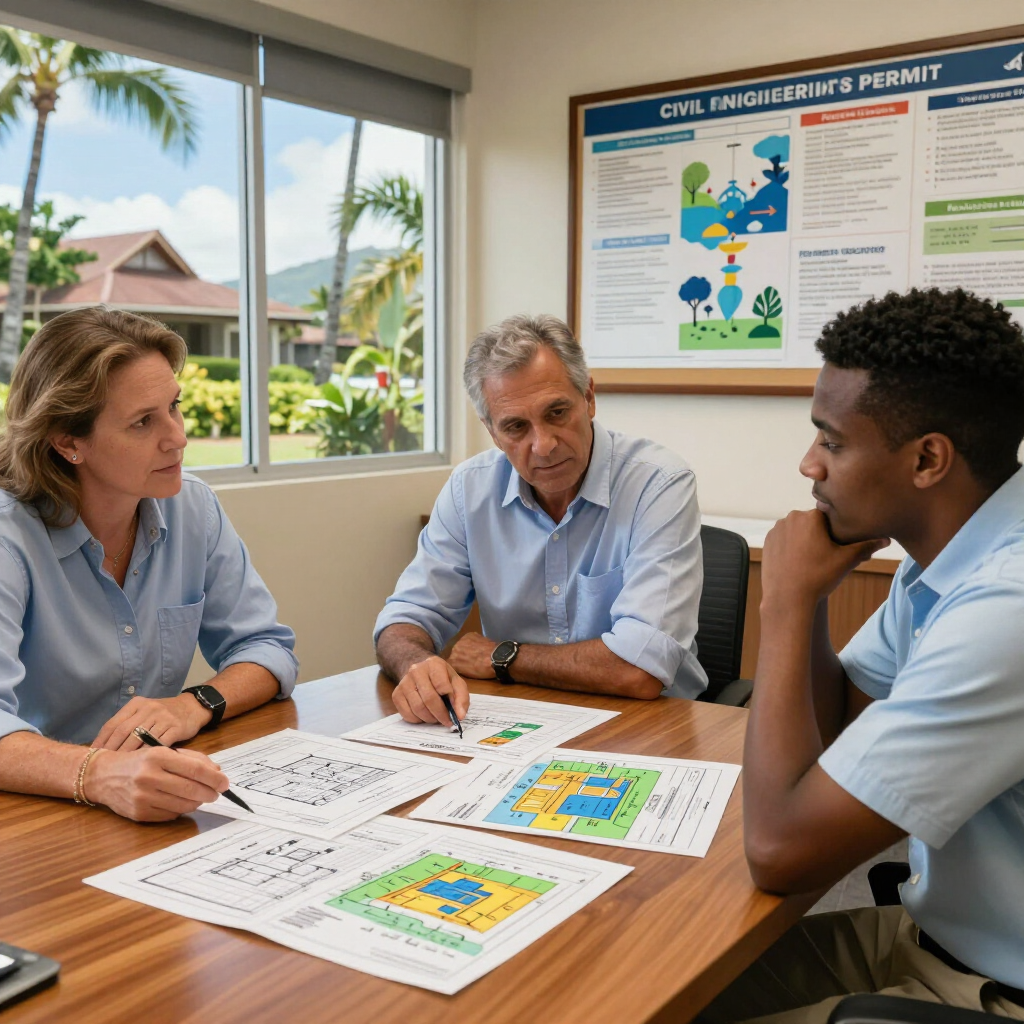
Planning a construction project in Hawaii involves more than purchasing land and hiring a contractor. Before construction can begin, many residential and commercial projects must complete the engineering permit process. Depending on your project's size and location, this may require engineering plans, technical reports, drainage studies, grading plans, or utility designs for review by local agencies.
Understanding the engineering permits Hawaii process can help you avoid unnecessary delays, reduce redesign costs, and keep your project on schedule. Whether you're building a custom home in Lihue or developing commercial property elsewhere on Kauai, working with a qualified civil engineering consultant early in the planning stage can make the permitting process significantly smoother.
Why Engineering Permits Are Required
Engineering permits help ensure that construction projects meet public safety standards, protect natural resources, and comply with county and state regulations.
Unlike building permits, which focus primarily on structures, engineering permits evaluate how a project affects the surrounding property and infrastructure.
Depending on the project, county reviewers may examine:
- Stormwater management
- Site grading
- Drainage impacts
- Road access
- Water and wastewater systems
- Utility connections
- Erosion control
- Environmental considerations
The goal is to confirm that a development can be built safely without creating problems for neighboring properties or public infrastructure.
Projects That Commonly Require Engineering Review
Not every construction project requires extensive engineering documentation, but many do.
Projects that often require engineering review include:
- New custom homes
- Residential subdivisions
- Commercial buildings
- Site development projects
- Roadway improvements
- Parking lot construction
- Drainage improvements
- Utility extensions
- Septic system installations
- Large grading projects
For example, a property owner planning to build on an undeveloped lot in Kauai may need engineering plans that demonstrate how stormwater will be managed and how the proposed grading will affect surrounding properties before permits are approved.
What Documents May Be Required?
Every project is different, but engineering permit applications often require technical documentation prepared by a licensed civil engineer.
Common documents include:
Grading Plans
These plans show how the land will be shaped before construction and how drainage will be managed across the site.
Drainage Studies
Drainage studies evaluate existing runoff conditions and demonstrate that the proposed development will not create flooding or erosion problems.
Utility Plans
Engineering drawings may be required for:
- Water systems
- Wastewater systems
- Sewer connections
- Utility extensions
Roadway and Access Plans
Projects involving new roads or significant access improvements may require roadway engineering and traffic considerations.
Supporting Engineering Calculations
Many permit applications include technical calculations that verify the proposed design complies with applicable engineering standards.
Submitting complete documentation at the beginning of the review process often reduces requests for revisions and additional information.
Understanding the Permitting Process
Although every project is unique, the engineering permitting process generally follows several key steps.
| Step | What Happens |
|---|---|
| Initial Consultation | Review project goals, site conditions, and applicable requirements. |
| Site Evaluation | Assess topography, drainage, utilities, and development constraints. |
| Engineering Design | Prepare grading plans, drainage designs, utility layouts, and supporting documents. |
| Permit Submission | Submit engineering plans and required reports to the appropriate agencies. |
| Agency Review | County reviewers evaluate plans and may request revisions or additional information. |
| Final Approval | Once all requirements are satisfied, permits can be issued so construction may proceed. |
Starting the engineering process early helps keep these steps moving efficiently.
Common Reasons Permits Are Delayed
Permit delays are often avoidable when projects are properly planned.
Some of the most common causes include:
Incomplete Engineering Plans
Missing information or inaccurate drawings frequently result in requests for revisions.
Drainage Concerns
Poor stormwater management is one of the leading reasons projects require additional engineering review.
Site Constraints
Steep slopes, flood-prone areas, or difficult access points may require additional design work before approval.
Utility Coordination
Projects that require new water, wastewater, or utility connections often involve coordination with multiple agencies.
Late Engineering Involvement
Waiting until architectural plans are complete before consulting a civil engineer can result in redesigns that increase both costs and project timelines.
How a Civil Engineering Consultant Helps
A civil engineering consultant does more than prepare drawings. They help property owners navigate the entire permitting process by identifying issues early and coordinating technical requirements with reviewing agencies.
Professional engineering support may include:
- Evaluating site conditions
- Preparing grading plans
- Designing drainage systems
- Developing utility plans
- Completing engineering calculations
- Preparing technical reports
- Responding to agency review comments
- Coordinating with architects, surveyors, and contractors
Early collaboration often leads to a more efficient approval process and fewer unexpected obstacles.
Why Local Experience Matters
Permitting requirements vary by location, making local experience an important advantage.
A civil engineering consultant familiar with Kauai understands local review procedures, drainage requirements, infrastructure standards, and environmental considerations that affect development projects.
For example, projects near coastal areas, streams, or steep terrain may require additional engineering analysis beyond what would typically be expected in other locations.
Working with a local engineering firm helps ensure that plans are prepared with these factors in mind from the beginning.
Why Choose Papa'iki Engineering Inc.?
Papa'iki Engineering Inc. provides professional civil engineering consulting services for residential, commercial, and infrastructure projects throughout Kauai.
The firm assists clients with:
- Feasibility studies
- Infrastructure planning and design
- Grading plans
- Drainage system design
- Drainage studies and reports
- Water system planning and design
- Wastewater system design
- Septic system design
- Permitting solutions
- Fire hydrant flow tests and calculations
By combining technical expertise with local knowledge, Papa'iki Engineering Inc. helps property owners navigate Hawaii's engineering permit process with confidence.
Frequently Asked Questions
What is an engineering permit?
An engineering permit is part of the development review process that evaluates site design, drainage, grading, utilities, and other infrastructure improvements before construction begins.
Do all projects require engineering permits in Hawaii?
No. Requirements depend on the project's scope, location, and county regulations. Larger developments and projects involving site work typically require engineering review.
What is the difference between a building permit and an engineering permit?
A building permit focuses on the structure itself, while an engineering permit addresses site development, drainage, grading, utilities, and infrastructure.
How long does the engineering permit process take?
Timelines vary depending on project complexity, agency workload, and whether revisions are required. Submitting complete engineering documents can help reduce delays.
Can a civil engineering consultant help with permit approvals?
Yes. Civil engineering consultants prepare the technical documents required for permit applications and respond to agency review comments throughout the approval process.
Why should I hire a local engineering consultant?
A local consultant understands county permitting procedures, engineering standards, and site conditions that may affect your project, helping improve efficiency during the review process.
Ready to Move Your Project Forward?
Whether you're planning a new home, commercial development, or infrastructure improvement, understanding the engineering permit process is an important first step. Working with an experienced civil engineering consultant early in your project can help reduce delays, improve coordination, and support a smoother path to construction.
Papa'iki Engineering Inc. provides professional engineering consulting and permitting support for projects throughout Kauai.
Website:
https://www.hicivileng.com